

How to Choose a Provider
Evaluating Core Capabilities
Integration Depth
Questions to Ask Before Committing
Before signing a contract, you need specific answers about pricing structure and support. Vague responses often indicate hidden costs or poor service. Ask these questions to uncover the true total cost of ownership. For additional details, review the .
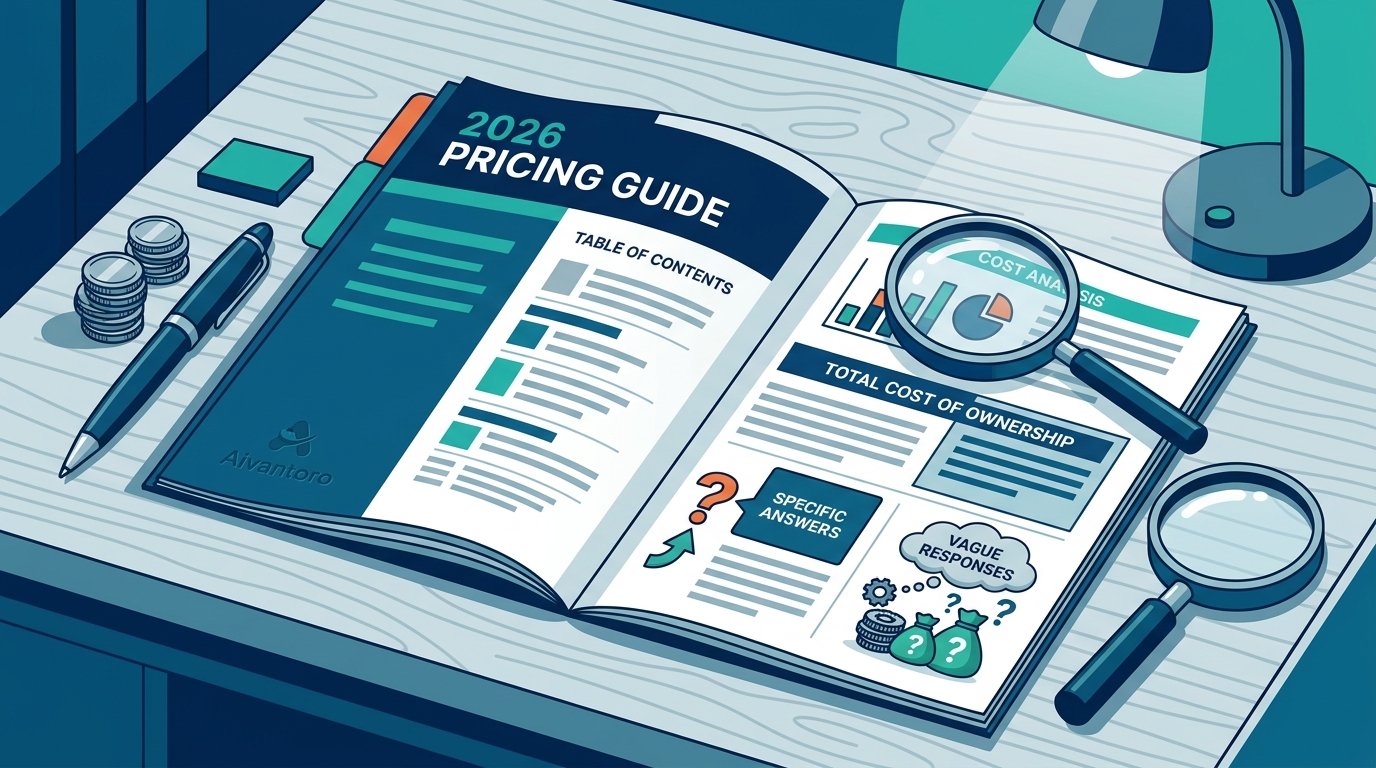
Pricing Structure Questions
- What happens if I exceed my included call minutes? For additional details, review the Customer Experience.
- Are there setup fees or onboarding costs? For additional details, review the Frequently Asked Questions.
- Is there a long-term contract, or can I cancel monthly?
Performance and Support Questions
- What is the average response time for the AI?
- How do you handle missed calls or voicemails?
- Can I customize the AI's tone and scripts?
Verifying Claims and Credentials
Vendors often make bold claims about accuracy and uptime. You must verify these claims independently. Check for third-party reviews and case studies. Look for specific metrics rather than vague promises. Uptime guarantee is a contractual promise that the service will be available a certain percentage of the time, usually 99.9% or higher. Verify if there are penalties for failing to meet this guarantee.
Checking Technical Reliability
Request a trial period to test the AI in a live environment. Monitor how it handles edge cases and unusual questions. Check the vendor's status page for historical uptime data. A reliable provider will have a transparent history of system performance. This data helps you predict real-world reliability.
Operational Workflow and Setup
Implementing an AI receptionist involves several distinct phases. The process typically takes two to four weeks from contract signing to full deployment. Understanding this timeline helps you plan for the transition.
Phase 1: Onboarding and Data Collection
The vendor collects your business information, service details, and FAQs. You provide scripts and tone guidelines. This phase ensures the AI understands your brand voice. It also involves connecting the AI to your phone system and CRM.
Phase 2: Training and Testing
The AI is trained on your specific data. You test the system with internal calls. You refine the scripts based on test results. This iterative process ensures accuracy before going live.
Phase 3: Go-Live and Monitoring
The AI goes live, handling all incoming calls. You monitor performance metrics daily. You make adjustments as needed. This phase continues until the AI operates smoothly without intervention.
Detailed Cost Breakdown
The monthly cost of an AI receptionist is driven by several factors. Understanding these drivers helps you budget accurately. The table below summarizes typical pricing tiers.
| Plan Tier | Monthly Cost | Included Minutes | Key Features |
|---|
Factors That Increase Cost
High call volume significantly increases costs. If your business receives hundreds of calls daily, you will likely need a higher tier. Custom AI training also adds to the price. If you need the AI to understand highly specialized terminology, expect to pay more. Multi-location support requires additional infrastructure and management, raising the monthly fee.
Factors That Decrease Cost
Automating only after-hours calls can reduce costs. If you only need the AI to handle nights and weekends, you may qualify for a lower tier. Using a flat-rate plan instead of per-minute billing can save money if your call volume is predictable. Negotiating a longer contract may also reduce the monthly rate.
Common Mistakes to Avoid
Businesses often make errors that reduce the value of their AI investment. Avoiding these mistakes ensures you get the best return on your spend.
Underestimating Call Volume
Many businesses underestimate their peak call volume. This leads to overage fees or service degradation. Analyze your call logs from the past six months. Use this data to select the appropriate plan tier. Buffer your estimate by 20% to account for growth.
Ignoring Integration Costs
AI Receptionist vs. Human Staff
Cost Comparison
Quality Comparison
Human agents can handle complex, emotional, or unusual requests better. AI excels at routine, repetitive tasks. The best approach is often a hybrid model. Use AI for initial screening and booking. Use humans for complex issues and high-value clients. This balances cost and quality effectively.
Cost Implications for Specific Scenarios
The cost of an AI receptionist varies by business type and size. Understanding these variations helps you predict your expenses.
Small Service Businesses
Small businesses with low call volume can start with basic plans. These plans are affordable and easy to manage. The primary goal is to stop missing calls. A basic AI receptionist is sufficient for this purpose. It provides a professional image without a large investment.
Multi-Location Enterprises
Legal and Compliance Rules
Consent and Disclosure
Some jurisdictions require you to disclose that the caller is speaking with an AI. Check your local laws for disclosure requirements. Implement clear disclosure in your AI scripts. This protects your business from legal liability. It also builds trust with your customers.
Local Market Considerations
Local market conditions can influence the cost and value of an AI receptionist. Labor costs vary by region. In high-cost areas, the savings from AI are more significant. In low-cost areas, the difference may be smaller. Consider your local labor market when evaluating ROI.
Regional Demand
High-demand areas may have higher call volumes. This can increase your AI costs. However, it also means more potential revenue. Balance the cost of handling high volume against the revenue potential. Local competition can also influence your pricing strategy. Use AI to maintain a competitive edge in response times.
Timing Your Implementation
Timing your AI implementation can impact your costs and results. Implementing during peak seasons may require higher capacity. This increases your initial costs. However, it ensures you capture all potential leads. Implementing during off-peak seasons may allow for a lower initial tier. You can upgrade as demand increases.
Seasonal Fluctuations
Many businesses experience seasonal demand spikes. Plan your AI capacity to handle these spikes. Choose a plan that allows for flexible scaling. This avoids overage fees during peak times. It also ensures you do not miss calls when demand is highest.
Long-Term Performance Metrics
Tracking performance metrics helps you evaluate your AI investment over time. Monitor key indicators regularly. These metrics provide insight into the AI's effectiveness and your ROI.
Key Metrics to Track
- Call Answer Rate: Percentage of calls answered by the AI.
- Booking Conversion Rate: Percentage of calls that result in a booked appointment.
- Customer Satisfaction Score: Feedback from callers about their experience.
- Cost Per Lead: Total AI cost divided by the number of qualified leads.
Review these metrics monthly. Adjust your strategy based on the data. Continuous optimization ensures you get the best value from your investment. Over time, you should see improvements in efficiency and customer satisfaction.
Key Takeaways
- Hidden fees like setup costs and integration charges can significantly increase total cost.
- Verify vendor claims by checking third-party reviews and uptime history.
- Implementation typically takes two to four weeks, including training and testing.
- AI is more cost-effective than human staff for routine, high-volume tasks.
- Compliance with data privacy and disclosure laws is essential to avoid legal risks.
- Track key metrics like call answer rate and booking conversion to measure ROI.
- Choose a plan that allows for flexible scaling to handle seasonal demand spikes.
Frequently Asked Questions
What is the average cost of an AI receptionist?
Are there hidden fees in AI receptionist pricing?
How long does it take to set up an AI receptionist?
Is an AI receptionist cheaper than a human receptionist?
Do I need to disclose that the caller is speaking with an AI?
It depends on your local laws. Some jurisdictions require disclosure. Check your local regulations to ensure compliance. Implementing clear disclosure in your scripts is a best practice regardless of legal requirements.
Can I cancel my AI receptionist subscription at any time?
Conclusion
Understanding the cost of an AI receptionist is crucial for making an informed investment decision. By evaluating providers carefully, verifying claims, and tracking performance metrics, you can maximize your return on investment. Aivantoro offers AI-powered acquisition engines that help service businesses attract qualified leads and automate follow-up. To plan your visit, for a free consultation.