

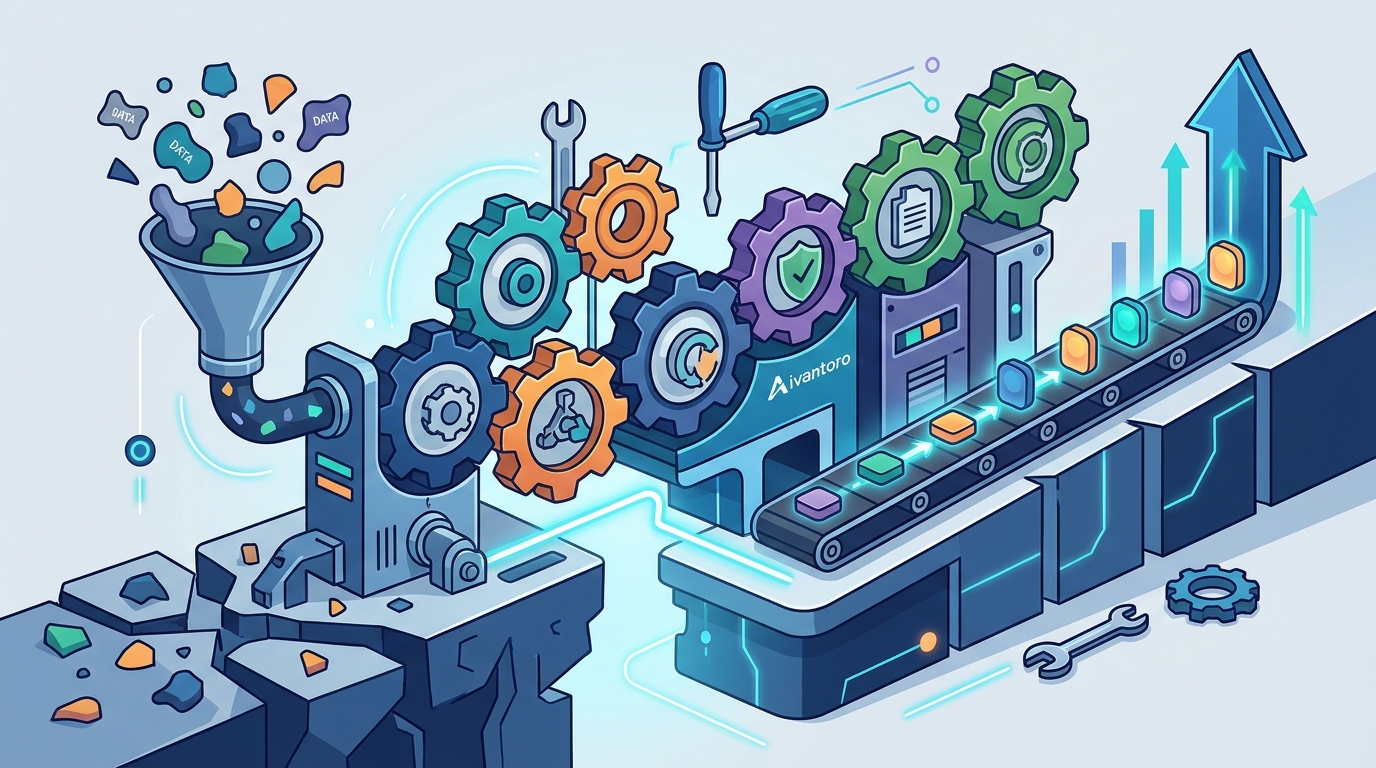
Small businesses often struggle to translate raw data into actionable revenue pipelines. A skilled CRM implementation specialist bridges this gap by configuring systems that align with specific operational workflows. This article outlines the critical technical and strategic competencies required to build effective customer relationship management infrastructure for service providers. For additional details, review the .
1. Data Architecture and Migration
Structuring clean, deduplicated data is the foundation of any functional CRM. Data migration is a complex process that involves transforming legacy spreadsheets into structured database records. Experts must identify duplicate entries, standardize field formats, and map historical data to new schema structures. This technical precision ensures that the system remains scalable as the business grows. For additional details, review the About.
2. Workflow Automation Logic
Designing automated sequences that trigger on specific user actions saves hours of manual work. Automation is the process of using software to perform repetitive tasks without human intervention. A specialist must understand trigger conditions, such as form submissions or status changes, to build reliable follow-up chains. This logic ensures that no lead falls through the cracks during the sales cycle.
3. User Adoption and Change Management
Technical proficiency is useless if the end users refuse to enter data into the system. Change management is the structured approach to guiding individuals through organizational transitions. Experts must design intuitive interfaces and provide targeted training to reduce friction. High adoption rates depend on making the CRM feel like a helpful assistant rather than an administrative burden.
4. Integration and API Management
Connecting the CRM to existing tools creates a unified view of the customer journey. API integration is the method of allowing different software applications to exchange data. Specialists must manage connections between the CRM, email platforms, payment processors, and scheduling tools. This connectivity eliminates data silos and ensures that every team member works from the same source of truth.
5. Security and Compliance Governance
Protecting sensitive client data requires strict access controls and adherence to privacy laws. Data governance is the management of data availability, usability, integrity, and security. Experts must configure role-based permissions to ensure that only authorized personnel can view or modify specific records. This layer of security is critical for maintaining client trust and regulatory compliance.
6. Analytical Reporting and Dashboard Design
Transforming raw data into visual insights allows owners to make informed strategic decisions. Business intelligence is the application of data analysis to support decision-making. A skilled expert designs custom dashboards that highlight key performance indicators relevant to the specific industry. These visual tools help business owners identify trends and bottlenecks at a glance.
7. Strategic Business Process Mapping
Choosing the Right Expert
Select a specialist who prioritizes business process mapping over technical features. The best CRM implementation is one that mirrors your existing operational logic while introducing automation where it creates the most value. Look for partners who focus on user adoption and data integrity, as these factors determine long-term system success.
Frequently Asked Questions
How long does a typical CRM implementation take?
The duration depends on the complexity of the data migration and the number of integrations required. Simple setups may take a few weeks, while complex enterprise migrations can take several months.
Do I need to hire a full-time IT staff member for CRM maintenance?
Not necessarily. Many small businesses rely on specialized consultants for initial setup and ongoing optimization. This approach allows you to access expert knowledge without the overhead of a full-time salary.
What is among the most common reason CRM implementations fail?
Poor user adoption is among the leading cause of failure. If the team does not consistently enter data, the system becomes a repository of outdated information that provides no value.
Can a CRM integrate with my existing email marketing tools?
How does Aivantoro approach CRM setup for service businesses?
Aivantoro focuses on building AI-powered acquisition engines that integrate prospect identification with automated follow-up. This approach ensures that the CRM is not just a database, but an active growth tool.
Conclusion
Building a robust CRM system requires a blend of technical expertise and strategic business insight. By mastering data architecture, automation logic, and user adoption, specialists can create systems that drive sustainable growth. For service businesses looking to streamline their acquisition pipeline, partnering with a focused provider is the most efficient path forward. To explore how AI-driven systems can transform your client acquisition process, visit Aivantoro. Learn more: Aivantoro.