

A CRM implementation specialist is a professional who configures, migrates, and optimizes customer relationship management software to align with specific business workflows. They bridge the gap between technical software capabilities and daily operational needs. By handling data migration, user training, and process automation, they ensure the system actually works for the team. This role is critical for service businesses that need to track leads efficiently without manual overhead.
Strategic Workflow Mapping and Process Design
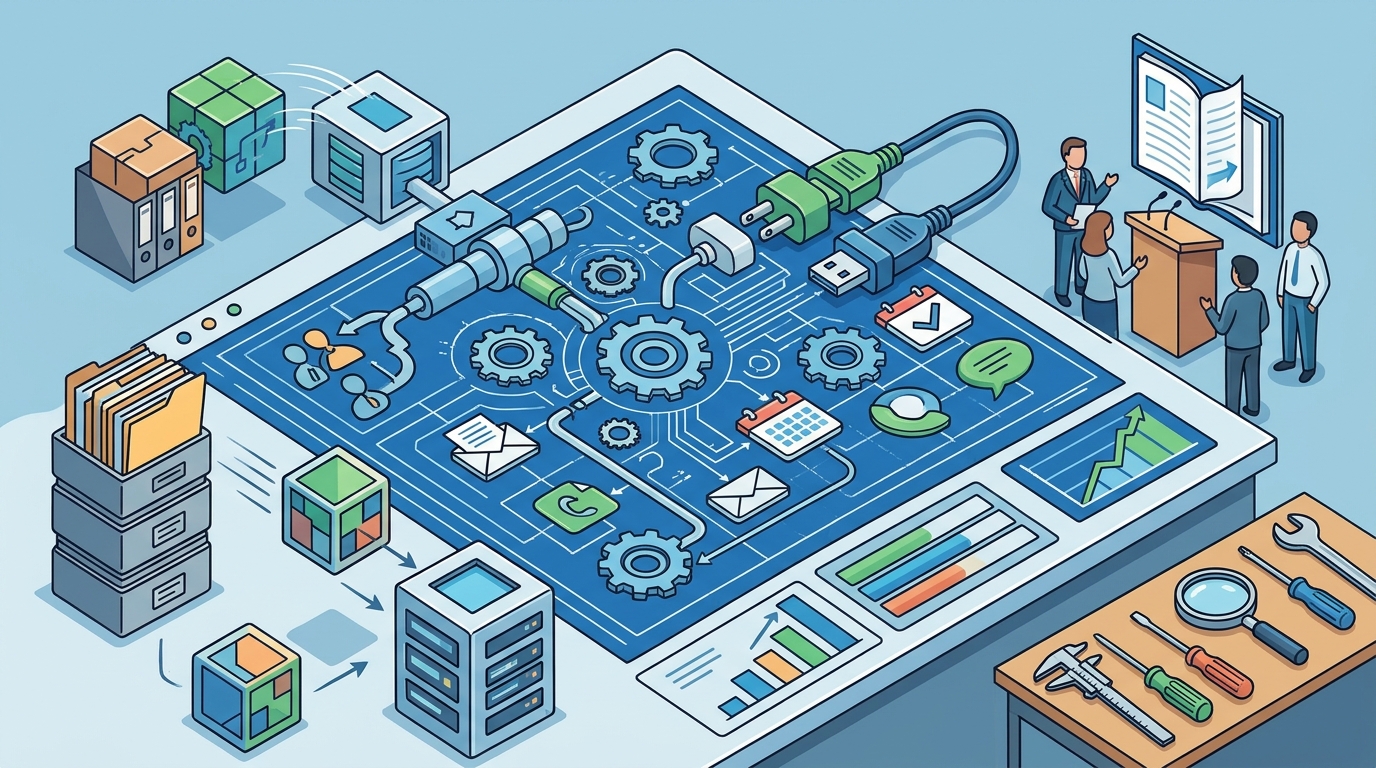
The primary function of a specialist is to map existing business processes into a digital framework. This involves analyzing how leads are currently captured, tracked, and converted. A CRM implementation specialist is a strategist who identifies bottlenecks in the current manual workflow. They design a logical flow that reduces friction for sales teams. For example, a specialist might restructure a lead intake form to automatically tag prospects by industry, ensuring relevant data is captured at the source. This strategic alignment prevents the common pitfall of adopting software that does not match reality.
Data Migration and System Configuration
Technical execution is the backbone of the implementation. This phase involves moving historical data from spreadsheets or legacy systems into the new CRM. Data migration is the process of transferring customer records, interaction history, and contact details into a new database. Specialists clean and deduplicate this data to ensure accuracy. They also configure the system architecture, including custom fields, pipelines, and permissions. A concrete example is setting up automated routing rules that assign new leads to specific team members based on geographic location or service type. This technical setup ensures the system is ready for daily use without manual data entry errors.
Automation and Integration Architecture
User Training and Change Management
Technology fails if people do not use it. A CRM implementation specialist is a change manager who guides the team through the transition. They provide hands-on training sessions tailored to different user roles, such as sales, marketing, and management. This training covers daily tasks, reporting features, and best practices for data entry. Specialists also create documentation and quick-reference guides for ongoing support. An example of effective change management is identifying key user champions within the team who can assist peers during the initial rollout. This approach reduces resistance and accelerates adoption, ensuring the investment in software yields actual operational benefits.
Post-Implementation Optimization and Support
Key Takeaways
- A CRM implementation specialist maps business processes to digital workflows to ensure software alignment.
- Data migration involves cleaning and transferring historical records to maintain data integrity.
- Automation and integration reduce manual tasks and create a unified data ecosystem.
- User training and change management are critical for ensuring high adoption rates.
- Specialists bridge the gap between technical capabilities and daily operational needs.
Frequently Asked Questions
What is the difference between a CRM administrator and an implementation specialist?
An implementation specialist focuses on the initial setup, configuration, and launch of the system. A CRM administrator typically handles ongoing maintenance, user management, and troubleshooting after the system is live. The specialist's role is more strategic and project-based, while the administrator's role is operational and continuous.
How long does a typical CRM implementation take?
Do I need a specialist if I have a small team?
What are the common mistakes in CRM implementation?
How does a specialist handle data privacy and security?
Specialists configure access controls and permissions to ensure that sensitive data is only visible to authorized users. They also ensure that data migration complies with relevant privacy regulations. Proper security settings are a core part of the implementation process to protect customer information.
Can a specialist integrate my CRM with other tools?
Yes, integration is a key part of the implementation. Specialists connect the CRM with email, marketing, and scheduling tools to create a seamless workflow. This ensures that data flows automatically between platforms, reducing manual entry and improving efficiency. Learn more: aivantoro com.